


-

Add: HeBei ShengShi HongBang Cellulose Technology CO.,LTD.
-

Email
13180486930@163.com -

CONTACT US
+86 13180486930



Finding the right HPMC (hydroxypropyl methylcellulose) eye drops can make a significant difference in managing eye conditions such as dryness, irritation, and post-surgical healing. In this guide, we will explore several prominent HPMC eye drop brands that have been trusted by medical professionals and users alike, focusing on their effectiveness, specialty formulations, and user experiences to enhance your decision-making process. One of the leading brands in the arena is Blink Tears. Known for their hydrating formulas, Blink Tears utilizes HPMC as a key ingredient to replicate natural tears and provide extended relief from dry eye symptoms. The formula's compatibility with contact lenses makes it a versatile option for daily users. Many users have reported significant improvements in ocular comfort and reduced frequency of application due to its long-lasting effects, further highlighting its reliability. Refresh is another brand that has carved out a niche in the HPMC eye drops market . Their products, such as Refresh Tears and Refresh Plus, are popular for their lubricating properties and preservative-free formulations. This makes them ideal for individuals with sensitive eyes or those who require frequent administration of eye drops. The Refresh brand is often recommended by ophthalmologists due to its clinically-tested benefits and wide availability, which adds a layer of trust and credibility to its use. Ocusoft Retaine is a brand that might not be as widely recognized as others but has earned respect within the ophthalmic community for its unique delivery method. Utilizing a special emulsion technology, Retaine products ensure that the beneficial effects of HPMC are dispersed evenly across the eye, providing uniform moisture retention. Health professionals often suggest this brand for its innovative approach to eye hydration, which offers both immediate and sustained relief without the blur caused by some thicker gels. hpmc eye drops brands Systane, a brand under the umbrella of Alcon, offers a range of HPMC-based products that cater to different severity levels of dry eyes. Systane Ultra is particularly noteworthy for its rapid-acting capabilities, delivering instant relief that has garnered positive user feedback. This product is also recommended for patients who experience discomfort during prolonged screen time, thus aligning the brand with modern lifestyle demands and reinforcing its authoritative stance in the market. Bausch + Lomb, with their Soothe line of eye drops, integrates HPMC to construct a shield-like barrier across the cornea, protecting it from external irritants while providing lubrication. The brand’s long-standing history in the eye care industry endows it with an authoritative reputation, making it a go-to for patients seeking dependable ocular solutions. User reviews often celebrate the soothing sensation these drops provide, which enhances trust among new and repeat customers. Ultimately, choosing the best HPMC eye drops depends on individual needs, from lifestyle and environmental exposure to specific ocular conditions. Trusted brands like Blink, Refresh, Ocusoft, Systane, and Bausch + Lomb offer a wide array of high-quality options that stand out for their user feedback and professional endorsements. Consulting with an eye care professional can further personalize your choice, ensuring the selected product aligns precisely with your eye health requirements. Through this tailored approach, you can bolster the health of your eyes with products backed by experience, expertise, authoritativeness, and trustworthiness.
- 40000tons

Production
- 20+years

Experience
- 5000+㎡

Acreage

-
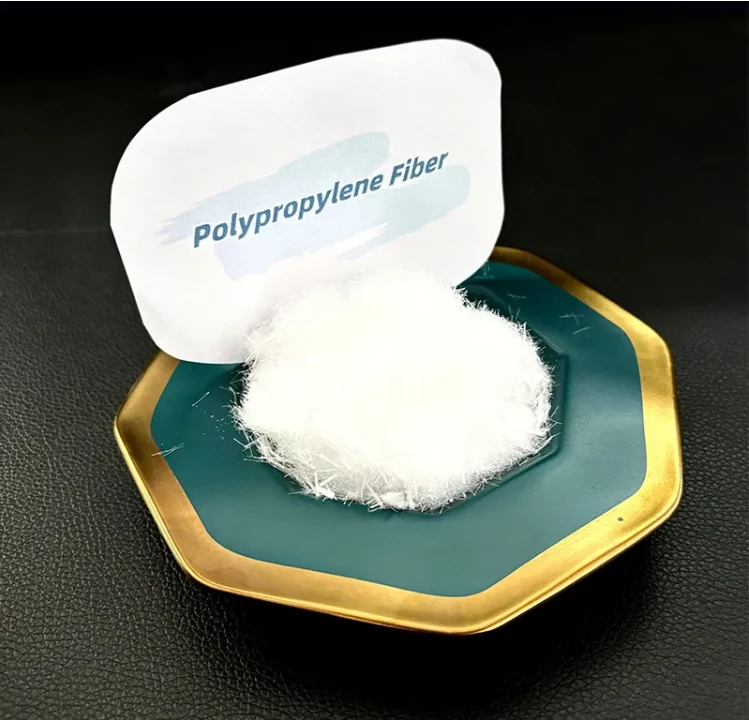
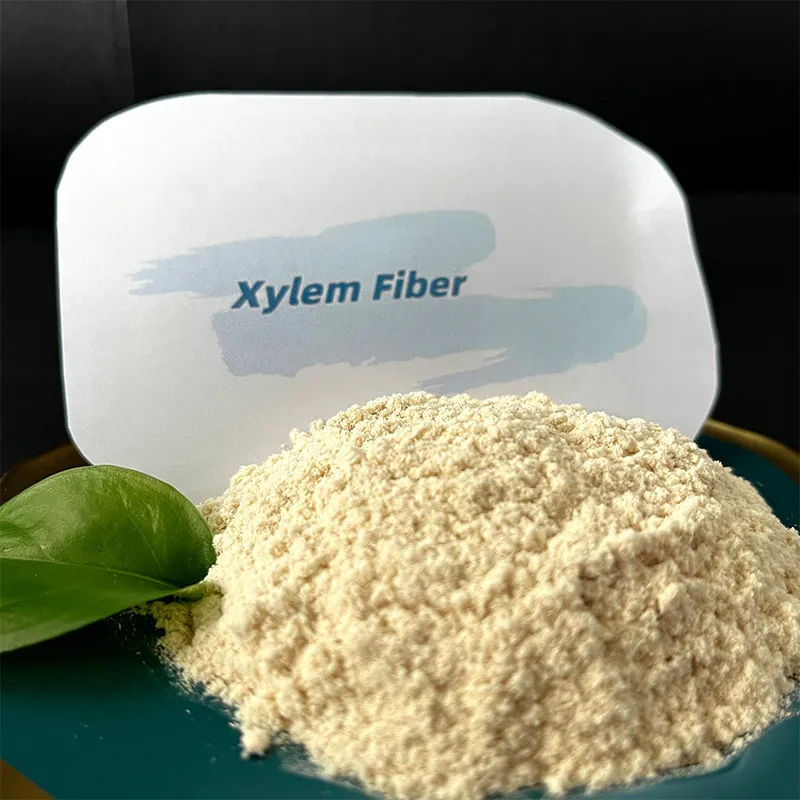
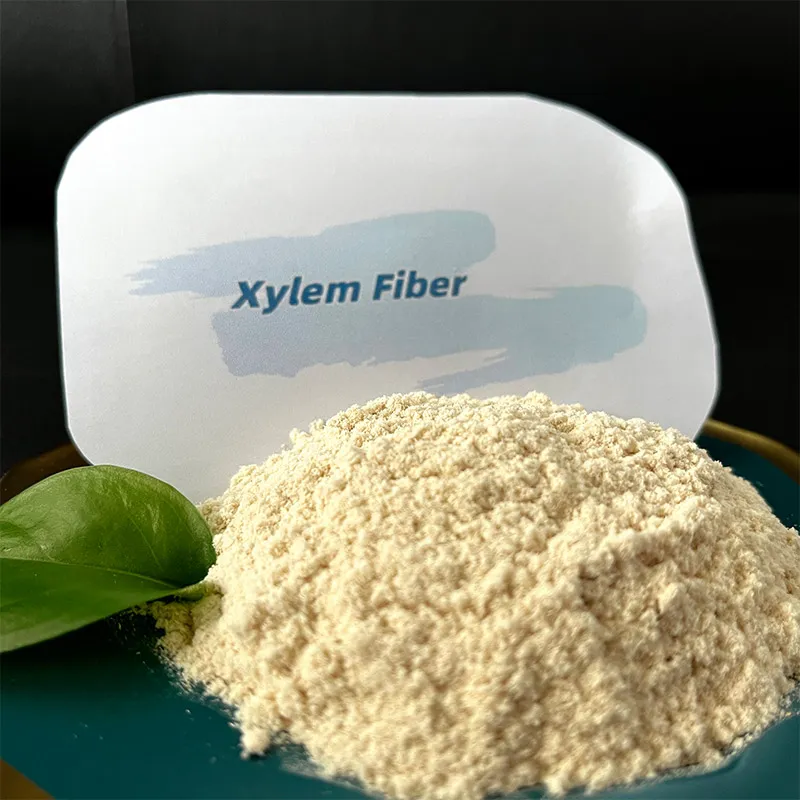
Materials derived from natural sources, like wood cellulose , are redefining industries with their versatility and sustainability. Products such as xylem fiber , fibre made from wood pulp , and bleached wood pulp offer an eco-friendly alternative to synthetic materials while maintaining exceptional functionality. Their adaptability makes them ideal for use in construction, textiles, packaging, and beyond. Wood Cellulose: Nature’s Engineering Marvel Wood cellulose is a fundamental component of plant cell walls, known for its strength, flexibility, and lightweight properties. Derived from sustainably harvested timber, it is processed into versatile forms that cater to various industrial needs. Whether used as a construction additive, a textile fiber, or a packaging material, wood cellulose offers unmatched durability and eco-friendliness. This material is integral to modern manufacturing, especially as industries shift toward renewable resources. With its availability in forms like fibre made from wood pulp , wood cellulose is at the forefront of sustainable innovation, providing both functionality and environmental benefits. Xylem Fiber: Strength and Adaptability A specialized form of wood cellulose , xylem fiber is celebrated for its structural strength and water transport capabilities. This fiber, which mimics the natural function of xylem in trees, is ideal for applications requiring moisture resistance and durability. Industries such as paper manufacturing, filtration, and packaging rely heavily on xylem fiber for its reliability and adaptability. The increasing demand for eco-conscious materials has made xylem fiber a popular choice in product innovation. Its natural composition ensures it is biodegradable and renewable, making it a superior alternative to non-biodegradable synthetic fibers. By incorporating xylem fiber into production processes, companies can reduce their environmental impact without compromising on quality. Fibre Made from Wood Pulp: Sustainability Meets Functionality Fibre made from wood pulp is revolutionizing industries like fashion, hygiene, and construction. This material offers the strength of synthetic fibers while being more sustainable and environmentally friendly. Its softness, durability, and breathability make it a preferred choice for textiles, such as clothing and home furnishings. Beyond textiles, fibre made from wood pulp is widely used in absorbent products, including diapers and medical pads, due to its excellent moisture retention properties. Additionally, it plays a vital role in creating lightweight composites and durable building materials. The versatility of this wood cellulose derivative continues to drive innovation across sectors. Bleached Wood Pulp: A Staple in Quality Manufacturing Bleached wood pulp is a refined version of wood cellulose , processed to achieve a bright, pure-white appearance. This material is crucial in producing high-quality paper, hygiene products, and specialty applications like medical-grade textiles. Its smooth texture, uniformity, and strength make it an essential component in industries that demand precision and reliability. The bleaching process enhances the purity of bleached wood pulp , ensuring it meets strict industry standards. Moreover, modern advancements have made bleaching more sustainable, minimizing environmental impact. Whether used in premium packaging, tissue paper, or industrial filters, bleached wood pulp exemplifies how wood cellulose can deliver excellence and sustainability. Why Choose Wood Cellulose for Your Needs? Materials like wood cellulose , xylem fiber , fibre made from wood pulp , and bleached wood pulp offer a harmonious blend of sustainability, performance, and versatility. As industries pivot toward greener solutions, these natural fibers provide a reliable and eco-conscious alternative to synthetic materials. By integrating wood cellulose into products and processes, businesses can achieve superior quality while reducing their environmental footprint. From construction to textiles and packaging, the applications of these fibers are vast and impactful. Harness the power of wood cellulose and its derivatives to create innovative, sustainable, and high-performance solutions for today’s world.
-

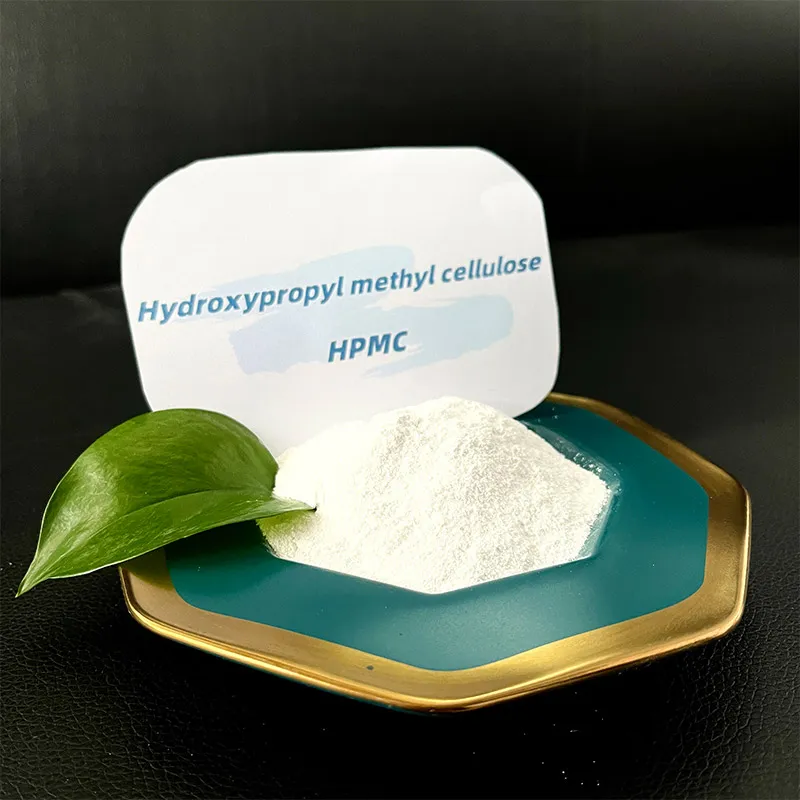
Hydroxypropyl methylcellulose (HPMC) stands as a versatile compound widely utilized across numerous industries, each benefiting from its unique properties. Its application spans from pharmaceuticals and food production to construction and personal care products, underlining its integral role in everyday life. In the pharmaceutical industry, HPMC is renowned for its use as a binder and release agent in tablet formulations. Due to its non-toxic and biodegradable nature, it provides an effective solution for delivering active ingredients in medications. Its property of being a stable agent ensures consistent performance, making it an integral part of many tablet coatings. One personal account from a formulation scientist highlights the element of control HPMC provides, stating, “In our tablet development, HPMC offers the exact disintegration time we aim for, which is crucial for efficacy and patient compliance.” In the realm of food production, HPMC serves as an emulsifier, thickener, and stabilizer, playing a pivotal role in texture improvement and shelf-life extension. The bread and bakery sector especially benefits from HPMC’s water retention capabilities, which enhance freshness and softness of baked products. Expert bakers affirm that its inclusion leads to a more uniform crumb structure in bread, thus ensuring high-quality final products that retain moisture longer without compromising flavor or texture. The construction industry utilizes HPMC as a key component in producing high-performance cement and drywall applications. Its water retention and workability properties improve the performance of cement-based products significantly. A construction material engineer notes, “HPMC in construction mixes leads to better adhesion and workability, reducing waste and increasing longevity of the structure.” This is especially relevant in modern buildings where energy efficiency and building integrity are of utmost importance. hydroxypropyl methyl cellulose uses Personal care products such as shampoos, lotions, and toothpaste also capitalize on the thickening and stabilizing properties of HPMC. Its inert behavior and compatibility with other components make it ideal for delicate skin care formulations. For instance, in hair care products, HPMC helps maintain the desired viscosity for a luxurious application experience, while ensuring product stability over time. Dermatology experts trust HPMC for sensitive skin formulas due to its non-irritant profile, which is essential for hypoallergenic products. In the context of environmental consciousness, HPMC’s biodegradable nature aligns with sustainable practices in manufacturing and product formulations. This attribute makes it an appealing choice for companies aiming to reduce their environmental footprint. Hospitals and medical facilities adopting green practices prefer using HPMC-based disposable medical supplies, as it supports their commitment to environmentally friendly practices. Research and development sectors continually explore HPMC’s potential to formulate new products. Its multifunctional capabilities open avenues for innovation, allowing scientists to develop new materials that could revolutionize existing solutions in various fields. For example, the emerging research into its use in 3D printing materials promises a future where HPMC-based bio-inks could significantly impact medical prosthetics and tissue engineering. In conclusion, hydroxypropyl methylcellulose is not merely a compound but a bridge to innovative solutions across industries . Its non-toxic, biodegradable properties combined with its multifunctional use underscore its importance. For businesses and professionals, understanding and harnessing the applications of HPMC can lead to significant advancements in product design and sustainability. Its extensive use cases and continual presence in cutting-edge research position it as a valuable asset in global industrial practices.
advantages
-

200000 Viscosities
Excellent product
We can produce pure products up to 200,000 viscosities
-

40000 tons
High yield
We don’t stop production all year round, and the annual output can reach 40,000 tons
-

24 hours
Quality service
We provide 24-hours online reception service, welcome to consult at any time
———— Inquiry Form
Schedule A services

-
 beton_serat_fibrilasi
Oct . 25, 2025
In the competitive realm of building materials and construction, the name HPMC easily resonates with -
 fiber_reinforced_polypropylene
Oct . 25, 2025
Hydroxypropyl distarch phosphate (HDP) is an essential modified starch used across a variety of indu -
 fibre_manufacturee
Oct . 25, 2025
The Advantages of Glass Fiber Reinforced Polypropylene In recent years, the demand for advanced mate


